
What Sustains The Row’s Bags’ Worth Steady Through the Years
Bring this up with someone who runs a secondhand marketplace, and The Row will likely be one of the first names mentioned. This is not a brand built on branding marks or short-lived hype. It is built on craftsmanship, fabrication, and a design ethos that declines to follow trends. This very resistance explains why the row bags behave so distinctly from most luxury accessories after leaving the boutique and move into resale channels.
A large share of designer bags depreciate the moment they’re worn out the door, occasionally shedding 40 to 60 percent of what they originally cost within the first year. The Row bags behave differently. Certain styles, especially the Margaux, have been documented as reselling close to or matching original retail price, and in rare cases above it, based on leather type, condition, and demand at the time of sale. Understanding why requires looking at how the brand approaches design, sourcing, and scarcity — three things that infrequently converge this precisely in the fashion industry.
Why the Design Approach Supports Durability Over Time
The Row, founded by Mary-Kate and Ashley Olsen, has grounded its brand in restraint. There are no interlocking logos, no trend-driven charm releases, no periodic color launches built to lose relevance after six months. The Row’s design philosophy treats clothing and accessories as lasting style investments rather than throwaway fashion moments. This matters enormously for resale value because buyers are not buying a “moment” — what they buy is a shape and a material that will appear just as current five or ten years from now.
Compare this to bags built around a specific print, a specific hardware trend, or a specific silhouette bound to a particular runway season. Such designs show their age. A row bag, by contrast, is designed to sit outside of time. The Margaux, the Ascot, and the tote styles all share this quality: clean lines, minimal hardware, and proportions that avoid referencing any particular era of fashion.
This outcome is deliberate. The team reportedly dedicates extended development cycles — occasionally exceeding a year — fine-tuning a single bag shape before it goes into production. That ysl purses patience shows up later as sustained resale value, because the bag was free from trend dependency to begin with.
Material Quality and Craftsmanship
These handbags are made using premium-grade leather, often sourced from Italian and French tanneries known for furnishing top-tier luxury houses. The leather is substantial, the grain is consistent, and the finishing is done manually in boutique workshops rather than industrial manufacturing plants. This has a direct impact on how the bag ages. A properly tanned leather bag builds character over years of use rather than deteriorating, peeling, or breaking down.
The density of the stitching is another easy-to-miss factor. While a mass-market bag may rely on a single row of strengthened stitching at pressure points, row bags typically reveal tighter, more consistent stitch work throughout the seams — clear evidence of slower, more deliberate manufacturing. Hardware components, where included, is generally solid rather than plated, which resists tarnishing over years of handling.
None of this is marketing language; it’s structural. A bag that holds its shape after three years of regular use is a bag that still looks good on a resale listing, still fetches a strong price, and still performs as designed. Buyers researching row bags overview content consistently point to this durability as the main reason they’re willing to pay close-to-retail prices secondhand.
Scarcity and Limited Distribution
The Row keeps supply deliberately restrained. Bags are produced in restricted runs and sold through a small number of boutiques and select department stores, plus the brand’s own e-commerce channel. There is no outlet division, no large-scale clearance route, and historically scarcely any markdown events. This restricted availability is a key driver of resale strength.
If a row sale occurs — typically during occasional seasonal adjustments — it tends to feature moderate price reductions rather than the 50-70 percent slashes common at other luxury houses. Because deep discounting is rare, secondhand buyers don’t anticipate finding the row bag they want at a sharp markdown, so they’re willing to pay closer to full price on the resale market instead.
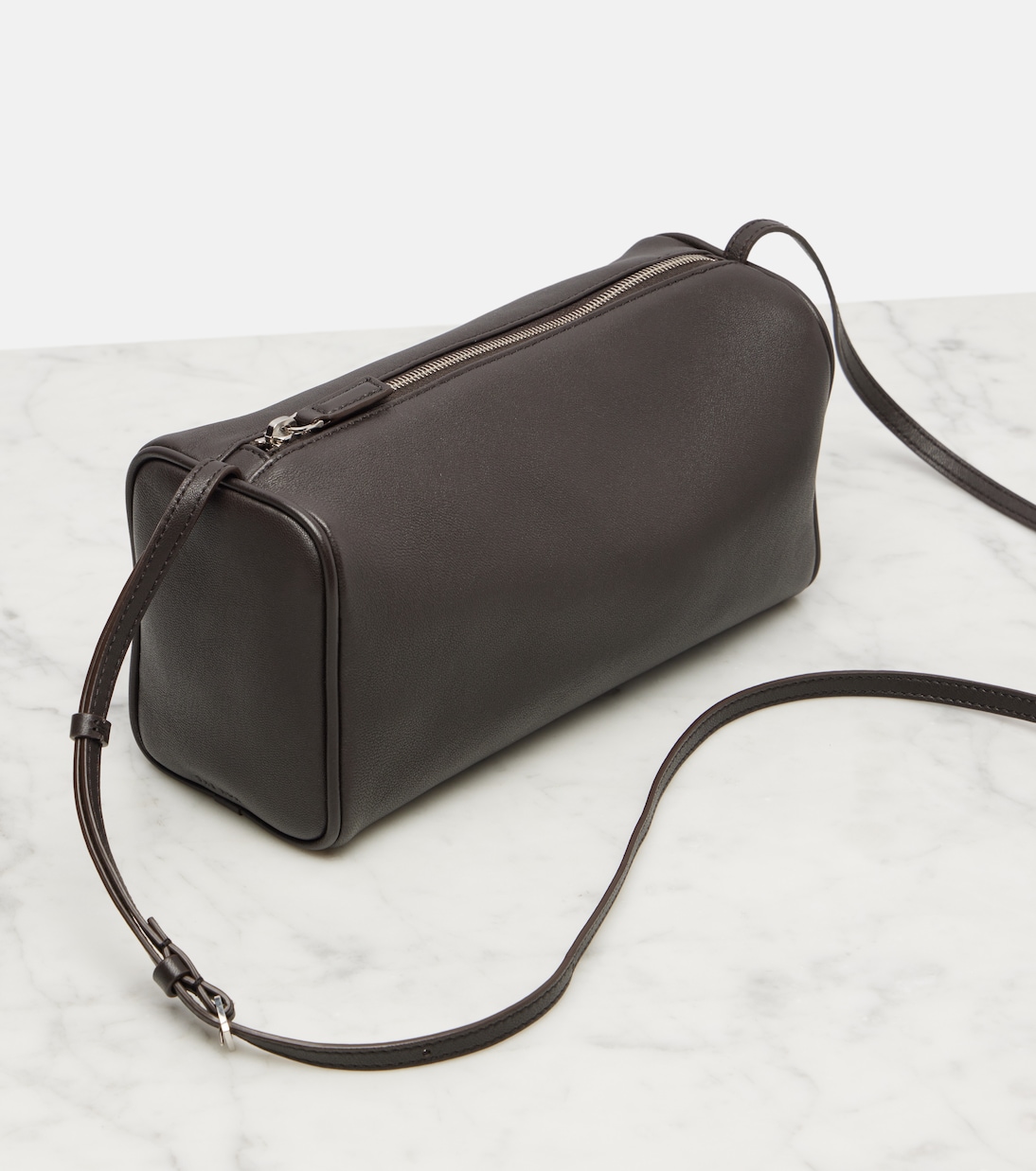
Restricted distribution further means fewer bags are in circulation at any given time. If you’re wondering where to buy the row margaux bag, the candid answer is that options are narrower than with most luxury brands: the brand’s own site, a small selection of luxury retailers, and authorized boutique locations. That tight pipeline keeps supply constrained relative to demand, which is one of the most fundamental and consistent drivers of price stability in any resale market.
A Look at The Row’s Best-Known Bags
Value retention varies across row handbags. Some styles have built stronger reputations than others based on demand, versatility, and how identifiable the silhouette has become. Below is a comparison of some of the most discussed styles among resale buyers and stylists tracking the best row bags in 2026.
| Style | Silhouette Style | Market Appeal | Recommended Use |
|---|---|---|---|
| Margaux | Structured tote-style bag | Remarkably robust | Office and routine use |
| The Row Classic Tote Bag | Loose-structured, large tote | Notably solid | Errands and travel |
| Ascot | Top-handle bag | Fairly strong to high | Special occasions and evenings out |
| Moon Half | Rounded shoulder bag | Fairly steady | Laid-back day-to-day wear |
Not many designs match the Margaux in dominating lists of top row bags, a result of its adaptable silhouette that allows it to shift easily between office and off-duty settings. That signature the row tote bag follows closely behind, prized for its roominess and low-key labeling, so it matches easily with almost any personal style. Structured bags like the Margaux generally retain worth a bit more than completely soft-shaped bags for the simple reason that they show wear more slowly.
Where The Row Stands Among Investment Brands
A narrow circle of houses — Hermès, Chanel, and a few others where demand reliably exceeds supply — usually accounts for investment-grade handbags. The Row has entered that conversation more recently, but its secondhand value trajectory has already begun to be measured against these longstanding labels. Differing from Hermès, The Row doesn’t operate a waitlist system, but its limited production runs create a similar scarcity effect without requiring years of patience.
Among “quiet luxury” competitors, it’s steadiness that makes the row bags different. Whereas other pared-down brands swap silhouettes season after season, The Row holds onto its foundational shapes across many years, periodically adding new colorways or hide finishes rather than replacing the shape entirely. This continuity fosters confidence among shoppers, both first-hand and secondhand, because they understand the bag they’re purchasing isn’t going to be discontinued or overshadowed by the following season’s update.
This also ensures used bags remain compatible with current collections stylistically, which keeps resale demand steady rather than dictated by whatever is just launched.
Sensible Purchase Guidance for 2026
For buyers focused on future resale worth, the item’s state and paperwork are hugely important. Original receipts, dust bags, and authenticity cards all add measurable value to a secondhand row bag. The shade of leather counts too: understated shades such as black, tan, and taupe generally hold resale value more reliably than special-edition or short-run shades, since they suit a wider variety of personal styles.
Buying during a row sale can be a smart entry point, but don’t anticipate major price cuts — a 15-20 percent reduction is far more common than the deep discounts seen elsewhere. Should you be specifically searching for a fairly priced the row margaux bag, it’s wisest to explore both official brand outlets and reputable authenticated resale platforms, since availability fluctuates and counterfeits do exist given the brand’s increasing popularity.
At its core, the value of the row bags comes down to how every piece of the equation — aesthetic, materials, supply strategy, and brand restraint — works together toward the same result. That alignment is rare in fashion, and this is the reason these bags have become some of the most quietly reliable investments in the present-day handbag industry.
